Cleanroom & Calibration
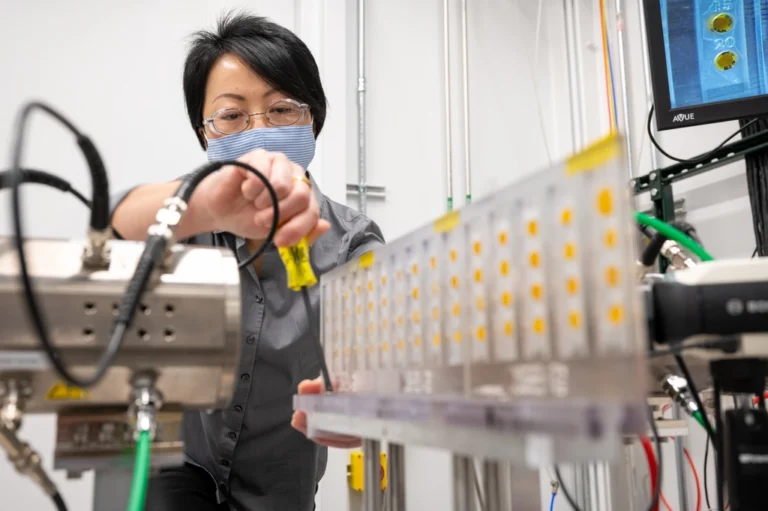
Relative Humidity Testing: Methods, Sensors and Standards
Relative humidity testing measures how much moisture is in the air of a cleanroom, chamber or storage area, and confirms it stays…
Read MorePractical guides on clean room testing, cleanroom validation, HEPA filter integrity and equipment calibration — written by the Vanavil Calibrations team.
Relative humidity testing measures how much moisture is in the air of a cleanroom, chamber or storage area, and confirms it stays…
Read More
Temperature mapping is the study that proves temperature and humidity are uniform and within specification everywhere inside a controlled space, not just…
Read More
Differential pressure testing confirms that each cleanroom is held at the correct pressure relative to the areas around it. This pressure cascade…
Read More
Air changes per hour (ACPH) testing measures how many times the entire volume of air in a cleanroom is replaced with filtered…
Read More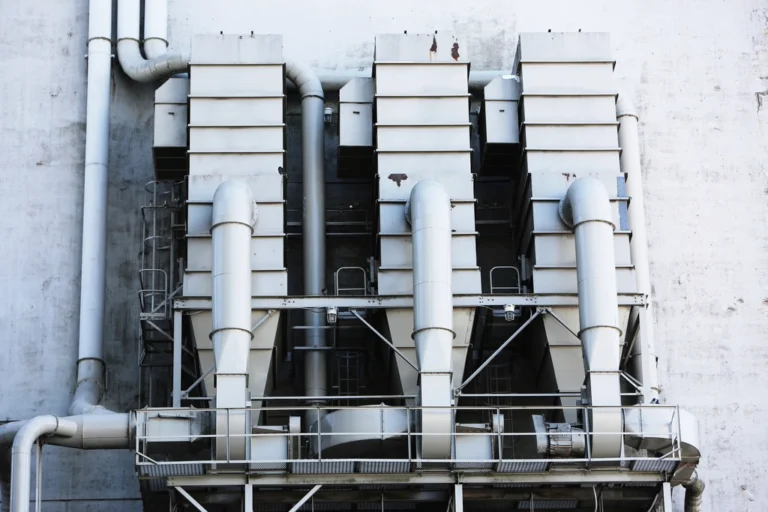
Airflow velocity testing measures how fast and how evenly air moves through a cleanroom or clean-air device. Air speed drives everything from…
Read More
Fume hood testing confirms that a laboratory fume hood is safely drawing hazardous vapours, gases and dusts away from the person working…
Read More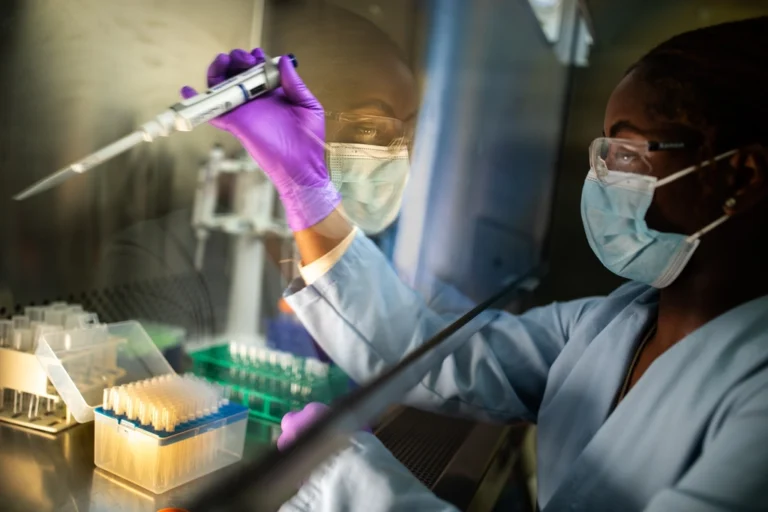
Biosafety cabinet testing confirms that a biosafety cabinet (BSC) is protecting the three things it is designed to protect — the operator,…
Read More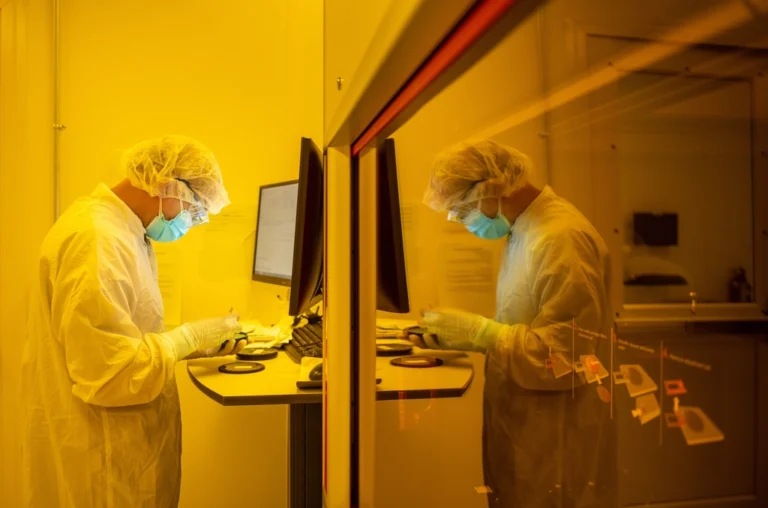
Laminar air flow testing confirms that a laminar air flow (LAF) unit or clean bench is delivering the smooth, unidirectional, filtered air…
Read More
Clean room environmental monitoring is the ongoing programme of measurements that keeps a controlled environment inside its cleanliness limits between formal tests.…
Read More