Clean Room Environmental Monitoring: Methods, Parameters and Standards
Clean room environmental monitoring is the ongoing programme of measurements that keeps a controlled environment inside its cleanliness limits between formal tests. Where certification proves a room passes on a given day, clean room environmental monitoring watches the room continuously — tracking particles, airflow, pressure, temperature and humidity so that any drift is caught early, long before it can affect a product or a patient.
This guide explains what clean room environmental monitoring covers, the parameters and methods involved, how a monitoring programme is run, and the standards that shape it.
Table of contents
- What is clean room environmental monitoring?
- Why environmental monitoring matters
- What monitoring measures
- Methods and instruments
- The monitoring process
- Standards and compliance
- FAQs
What is clean room environmental monitoring?
Clean room environmental monitoring is the routine, scheduled measurement of the conditions inside a classified area to confirm it stays within its acceptance limits during real use. It complements one-off clean room performance testing by providing a continuing record rather than a single snapshot, and its data feeds directly into an ongoing cleanroom validation programme.
A monitoring programme is usually split into two types of contamination: non-viable (airborne particles and physical conditions) and viable (microbial). Together they show whether the room is holding the environment it was designed to hold.
Why clean room environmental monitoring matters
Conditions inside a cleanroom change with occupancy, activity and equipment. Monitoring turns those invisible changes into data you can act on:
- Catches drift early — a rising particle trend is seen before it breaches the limit.
- Protects product and patients — controlled conditions are confirmed while work is actually happening.
- Supports compliance — auditors expect trended data, not a single certificate.
- Guides investigation — a documented history helps trace the cause of an excursion.
What clean room environmental monitoring measures
A typical monitoring programme covers:
- Airborne particle counts — against the room’s ISO 14644 class.
- Differential pressure — the correct cascade between adjoining rooms.
- Temperature and humidity — stable and within specification.
- Airflow velocity and air changes — sufficient turnover to clear contamination.
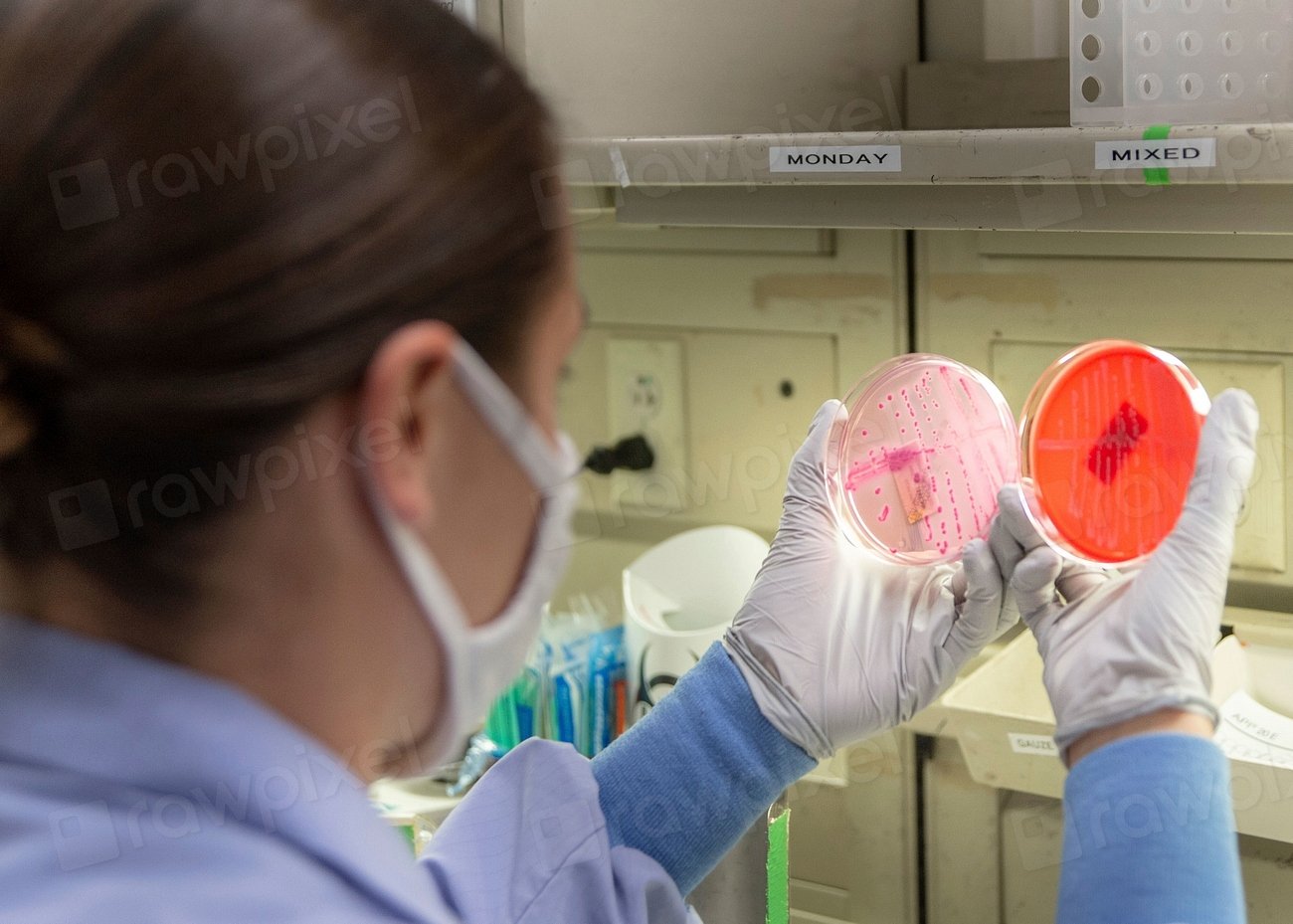
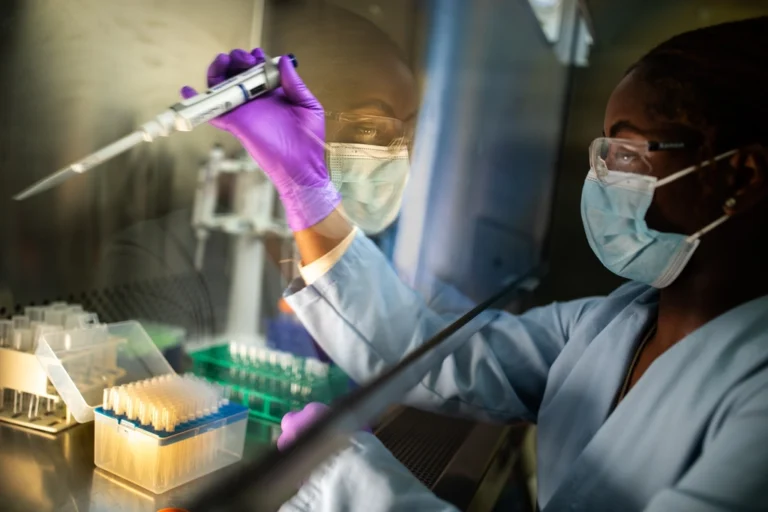
- Viable (microbial) counts — where a facility runs microbiological monitoring, using settle plates, contact plates and active air sampling.
Which parameters apply depends on the room’s class and purpose — only the criteria that genuinely apply to a facility are used.
Methods and instruments
Reliable monitoring depends on the right instrument and a consistent method:
- Laser particle counters sample air at fixed points to count non-viable particles.
- Micro-manometers record the pressure difference between areas.
- Calibrated sensors or data loggers track temperature and humidity over time.
- Anemometers and balometers check airflow velocity and volume.
Because every reading may support a compliance record, calibration and traceability of every instrument are as important as the numbers themselves.
The environmental monitoring process
- Define the programme — agree locations, parameters, limits and frequency for each room.
- Verify instruments — confirm calibration and traceability before measuring.
- Sample at set points — measure particles, pressure, temperature and humidity at defined locations.
- Trend the data — compare each result with alert and action limits and watch the trend.
- Act on excursions — investigate and correct any result outside the limits, and record the outcome.
Standards and compliance
- ISO 14644 — cleanroom air cleanliness classification and test methods (ISO 14644 overview).
- GMP — Good Manufacturing Practice expectations for pharmaceutical environments.
- NABL / ISO/IEC 17025 — accreditation for the testing laboratory.
We never invent limits or accreditation — only verified requirements are applied to your facility.
Viable vs non-viable monitoring
Non-viable monitoring counts inert airborne particles and confirms physical conditions such as pressure and airflow. Viable monitoring detects living micro-organisms and is used where microbial contamination is a risk, such as sterile pharmaceutical production. Many facilities combine both, matched to the ISO class and regulatory framework that applies to them.
How often should environmental monitoring be done?
Frequency depends on the room’s class, its use and the regulatory framework. Critical sterile areas may be monitored continuously or at every session, while lower-risk areas are checked on a periodic schedule. The right frequency is set in the monitoring plan and reviewed against the trended results, alongside routine clean room testing.
Common mistakes to avoid
- Monitoring only particles — pressure, temperature and humidity matter too.
- Fixed points that miss the risk — sample where contamination is most likely.
- Ignoring trends — a single pass hides a slow, dangerous drift.
- Uncalibrated instruments — results become impossible to defend at audit.
Frequently asked questions
What is clean room environmental monitoring in simple terms?
It is the routine measurement of a cleanroom’s conditions — particles, pressure, temperature, humidity and, where needed, microbes — to confirm it stays within its limits during use.
Is environmental monitoring the same as certification?
No. Certification is a formal pass on a given day; monitoring is the continuing programme that watches the room between certifications and catches drift early.
What parameters are monitored?
Typically airborne particle counts, differential pressure, temperature, humidity and airflow, plus viable microbial counts where a facility runs microbiological monitoring.
How is monitoring data used?
Results are trended against alert and action limits so that any excursion is investigated and corrected, and the record supports audits and investigations.
Do you provide clean room environmental monitoring support?
Yes. Vanavil Calibrations carries out NABL-accredited monitoring of airborne particles, airflow, pressure, temperature and humidity on-site across Tamil Nadu.
Conclusion
Clean room environmental monitoring is what keeps a controlled environment trustworthy between formal tests. By tracking particles, pressure, temperature, humidity and airflow against ISO 14644 limits and trending the results, it protects products and patients and keeps hospitals, pharmaceutical plants and laboratories inspection-ready every day, not just on certification day.
Want a dependable monitoring programme? Contact our team today. Vanavil Calibrations provides NABL-accredited clean room testing and monitoring across Tamil Nadu with clear, audit-ready reports. Get in touch to plan your environmental monitoring.
One Comment