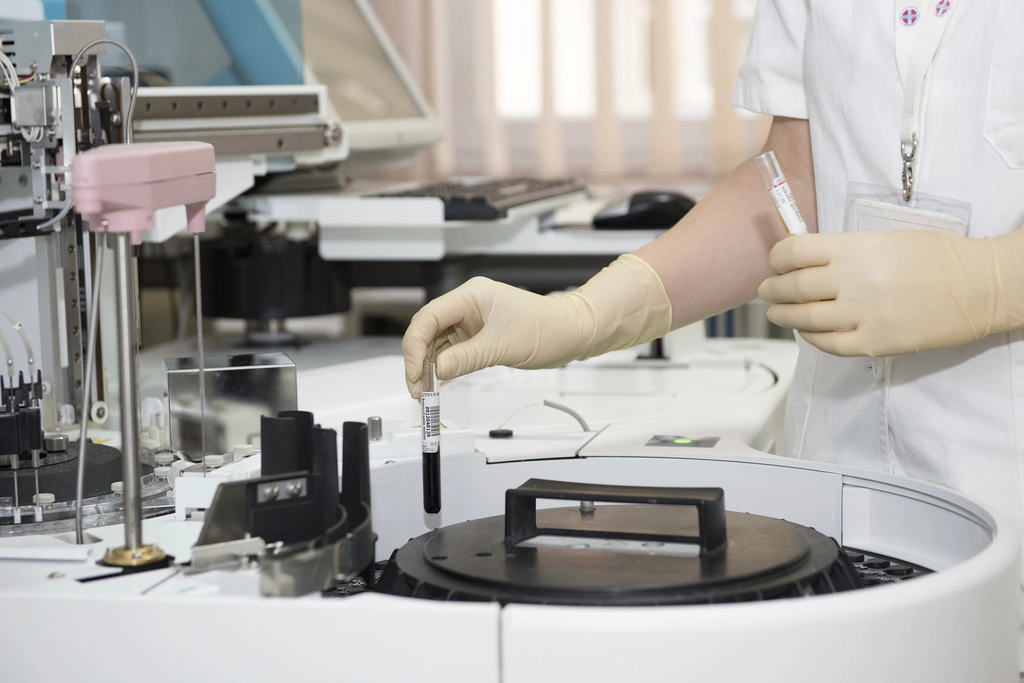
What Is Clean Room Testing? A Guide for Facility Managers
Clean room testing is the on-site measurement of a controlled environment’s performance — the work that confirms a cleanroom still meets the cleanliness classification it was designed for. For pharmaceutical plants, hospitals, laboratories and precision-manufacturing units, regular testing turns “we think the room is clean” into documented, audit-ready proof.
This guide explains what the process involves, which parameters it checks, why it matters for facility managers, how often it should be done, and how it sits alongside qualification and validation.
What is clean room testing?
Clean room testing is a set of measurements carried out inside a controlled space to verify that its air quality and environmental conditions stay within defined limits. A cleanroom is graded by an ISO class — for example ISO Class 7 or ISO Class 8 — and the testing proves the room is still performing at that grade.
The work is done with calibrated instruments and follows recognised methods, so the results are consistent and defensible. Because contamination risks are invisible to the eye, careful measurement is the only reliable way to know a room is in control.
What clean room testing measures
A testing visit checks the environmental parameters that define a controlled space’s performance:
- Airborne particle counts — measured against the room’s ISO 14644 classification.
- Airflow velocity and pattern — confirming uniform, unidirectional flow where required.
- HEPA filter integrity — checking filters and seals for leaks.
- Differential pressure — verifying the correct pressure cascade between adjoining rooms.
- Air changes per hour (ACPH) — confirming the room is flushed often enough to clear contamination.
- Temperature and humidity — confirming stable, in-specification conditions.
Each parameter is measured against the room’s design specification and the relevant clause of ISO 14644-1, the international standard for cleanroom air cleanliness.
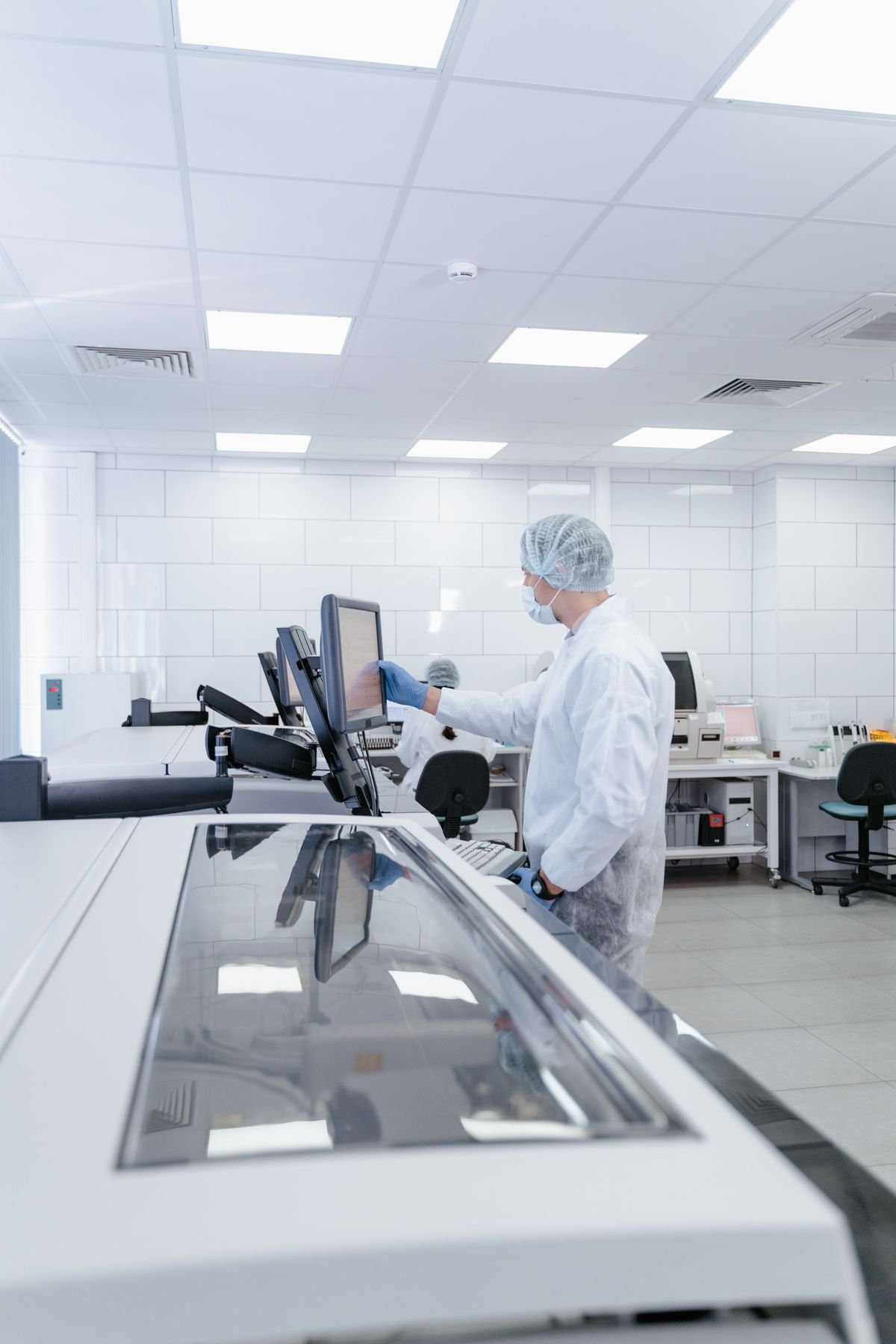
Why clean room testing matters
Filters degrade, seals wear and airflow patterns shift as equipment and layouts change — none of it visible on a walk-through. Regular testing catches this drift before it becomes a compliance finding or, worse, a contamination event.
For facility managers, the benefits are practical:
- Patient and product safety — controlled air protects sterile products and vulnerable patients.
- Regulatory compliance — auditors expect documented evidence of ongoing environmental control.
- Early fault detection — a failing filter or pressure fault is fixed before it causes a shutdown.
- Peace of mind — a clear report shows the room is performing exactly as intended.
Common methods and instruments
Reliable results depend on the right equipment, correctly calibrated. A typical engagement uses:
- Laser particle counters to measure airborne particles at defined sample points.
- Anemometers and balometers to measure airflow velocity and volume.
- Aerosol photometers to scan HEPA filters for leaks.
- Micro-manometers to confirm the pressure difference between rooms.
Because every instrument feeds a compliance record, calibration and method discipline matter as much as the readings themselves.
How often should a cleanroom be tested?
Frequency depends on the room’s classification, your regulatory framework and your internal quality system. Higher-grade rooms and critical processes are checked more often, and some parameters are verified more frequently than others.
Typical testing intervals
- Particle counts — often every 6 to 12 months, depending on ISO class.
- Airflow and pressure — commonly checked at every scheduled visit.
- HEPA integrity — typically annually, or after any filter work.
Rather than forcing a fixed schedule onto every facility, a good testing partner recommends a suitable interval as part of each engagement.
Who needs clean room testing?
Any operation that depends on controlled air relies on this work, including:
- Hospitals and healthcare — operating theatres, ICUs and sterile stores.
- Pharmaceutical and biotech — sterile manufacturing and filling areas.
- Laboratories — research, diagnostic and QC labs.
- Electronics and precision manufacturing — where tiny particles ruin yield.
What a testing report includes
The deliverable is a clear, traceable report you can hand straight to an auditor. A good report records:
- Each measured parameter with its result and acceptance limit.
- The room’s ISO class and the standard it was tested against.
- Instrument details and calibration status.
- A pass or fail decision for every point, with photographs where useful.
Documented results are what turn a routine visit into defensible evidence of control.
Clean room testing, qualification and validation
Testing is the measurement work itself. It fits into a wider lifecycle:
- Clean room qualification confirms design intent before a new space goes live.
- Cleanroom validation is the formal, documented programme of re-confirming performance over time.
If you are unsure which you need, our guide on cleanroom qualification vs validation explains the difference in plain language.
Frequently asked questions about clean room testing
What is clean room testing in simple terms?
It is measuring the air and conditions inside a controlled room to prove it is as clean as it should be. The checks cover particles, airflow, pressure and filters against a set standard.
Which standard applies?
Most facilities test against ISO 14644, the international series for cleanroom air cleanliness. Pharmaceutical sites may also follow GMP guidance alongside it.
How long does it take?
A single room can often be measured in a few hours, while a full facility may take one or more days, depending on the number of rooms, their class and the parameters covered.
Is clean room testing the same as validation?
No. The testing is the hands-on measurement. Validation is the scheduled, documented programme that uses those measurements to prove ongoing control over time.
Do you provide NABL-accredited clean room testing?
Yes. Vanavil Calibrations carries out NABL-accredited testing across Tamil Nadu, with documented results for every parameter.
Conclusion
Clean room testing is how a controlled environment proves it is still doing its job. By measuring particle counts, airflow, pressure and HEPA integrity against a recognised standard, it gives facility managers documented, audit-ready evidence of control — and flags small problems before they become expensive ones.
Paired with qualification and a regular validation schedule, this testing keeps hospitals, pharmaceutical plants and laboratories both compliant and safe.
Book your clean room testing today. Vanavil Calibrations provides NABL-accredited clean room testing across Tamil Nadu with clear, documented reports. Contact us today to scope a testing schedule for your facility.
One Comment