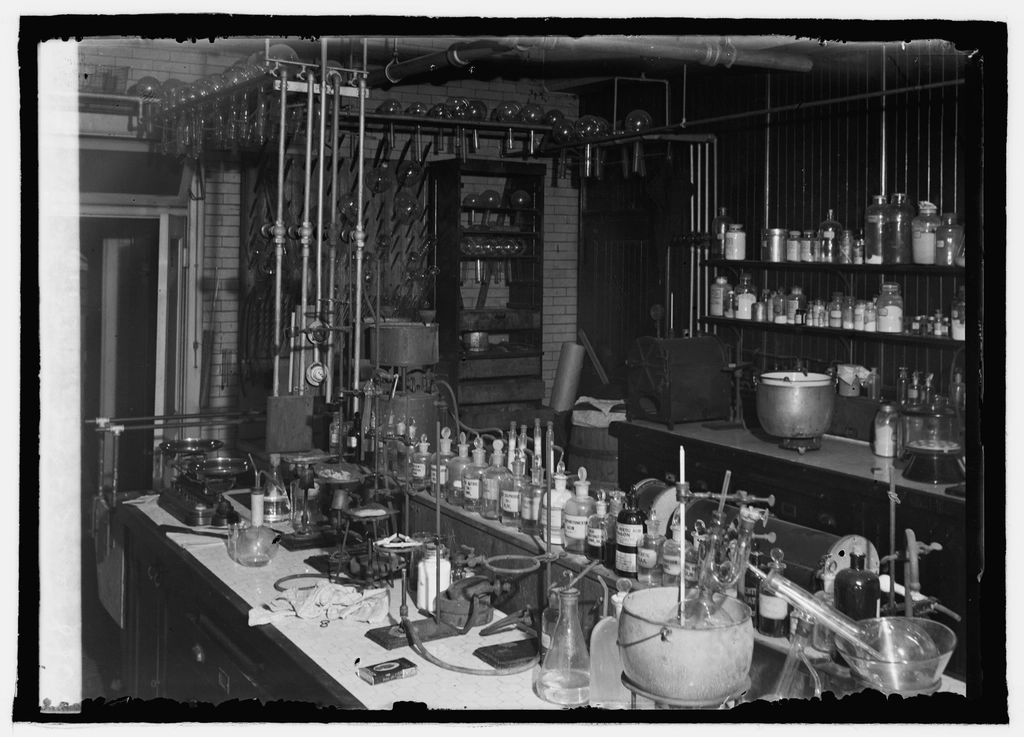
Fume Hood Testing: Face Velocity, Containment and Standards
Fume hood testing confirms that a laboratory fume hood is safely drawing hazardous vapours, gases and dusts away from the person working at it. A fume hood that appears to run normally can still have a face velocity that is too low to contain fumes, so fume hood testing measures the actual airflow and containment to prove the hood is protecting its user.
This guide explains what fume hood testing involves, the parameters and methods used, the process, and the standards that apply.
Table of contents
- What is fume hood testing?
- Why fume hood testing matters
- Key parameters
- Test methods and instruments
- The testing process
- Standards and compliance
- FAQs
What is fume hood testing?
Fume hood testing is the on-site measurement of a fume hood’s airflow and containment to confirm it captures and removes hazardous substances safely. Unlike a clean bench, a fume hood is about operator protection and exhaust, not product cleanliness, so its tests focus on how effectively air is drawn in and away.
It is a distinct discipline from biosafety cabinet testing: a fume hood controls chemical fumes and vents them away, while a biosafety cabinet also handles biological containment and product protection.
Why fume hood testing matters
- Protects the user — adequate face velocity keeps hazardous fumes out of the breathing zone.
- Confirms containment — airflow actually captures and removes contaminants.
- Supports safety compliance — auditors and safety officers expect current test data.
- Flags faults early — a failing exhaust fan or blocked duct is found before it endangers staff.
Key parameters in fume hood testing
Fume hood testing typically checks:
- Face velocity — the air speed at the sash opening, measured against the specified range.
- Airflow visualisation — smoke shows whether air is drawn in cleanly with no spillage.
- Containment — a tracer test confirms fumes are captured rather than escaping.
- Sash and alarm function — the airflow monitor and sash operate correctly.
Only the criteria that genuinely apply to the hood and its standard are used — no invented limits.
Test methods and instruments
- Anemometers measure face velocity across the sash opening.
- Smoke or visualisation tools reveal airflow direction and any spillage at the face.
- Tracer gas methods quantify how well the hood contains a released challenge.
- Airflow monitors are checked against a reference to confirm they read correctly.
Because each reading may support a safety record, calibrated, traceable instruments are essential.
The fume hood testing process
- Define the scope — identify the hood, its use and the acceptance criteria.
- Verify instruments — confirm calibration and traceability.
- Measure face velocity — record readings across the sash opening.
- Visualise airflow — check for clean capture with no spillage.
- Confirm containment — run a tracer or containment check where required.
- Report — document a pass or fail against each limit with corrective actions.
Standards and compliance
- Recognised fume hood standards — such as ASHRAE 110 and EN 14175, applied where they genuinely fit (fume hood overview).
- Local safety guidance — occupational safety requirements for the facility.
- NABL / ISO/IEC 17025 — accreditation for the testing laboratory.
We never invent limits or accreditation — only verified requirements are applied.
Where fume hoods are used
- Chemical and analytical laboratories — handling volatile or toxic reagents.
- Pharmaceutical and research labs — synthesis and sample preparation.
- Educational and quality-control labs — teaching and routine testing.
- Industrial laboratories — processes that release fumes or dust.
How often should a fume hood be tested?
Most facilities test fume hoods at least once a year, and again after any change to the hood, ductwork or room ventilation that could affect airflow. Testing sits naturally within a facility’s wider clean room testing and safety schedule.
Common mistakes to avoid
- Measuring at one point — face velocity should be checked across the opening.
- Ignoring room airflow — drafts and doors can disturb capture.
- Skipping the alarm check — the monitor must warn of low airflow.
- Uncalibrated instruments — results become indefensible.
Frequently asked questions
What is fume hood testing in simple terms?
It is measuring how well a fume hood pulls hazardous fumes away from the user — its face velocity, airflow and containment.
What is checked during fume hood testing?
Face velocity across the sash, airflow visualisation, containment, and the sash and airflow-monitor function.
Is a fume hood the same as a biosafety cabinet?
No. A fume hood controls chemical fumes and vents them away; a biosafety cabinet also provides biological containment and product protection with HEPA filtration.
How often should a fume hood be tested?
At least annually, and again after any change to the hood, duct or room ventilation.
Do you provide NABL-accredited fume hood testing?
Yes. Vanavil Calibrations carries out NABL-accredited fume hood testing on-site across Tamil Nadu.
Conclusion
Fume hood testing is what keeps a fume hood a safe place to work. By measuring face velocity, airflow and containment against recognised standards, it protects laboratory staff from hazardous vapours and gives facilities documented proof that their hoods are performing as they should.
Need your fume hoods tested? Contact our team today. Vanavil Calibrations provides NABL-accredited fume hood and clean room testing across Tamil Nadu with clear, audit-ready reports. Get in touch to schedule your testing.