Vanavil Calibrations

Fume hood testing that shows your hood is protecting the user

A chemical fume hood protects the person working at it only if air is moving into the hood at the right speed and in the right pattern. We measure that performance and document it for your safety and quality records.

Fume hood testing is the on-site measurement of a laboratory fume hood's airflow performance, mainly face velocity across the sash opening, supported by airflow visualization and a check of any airflow alarm. Vanavil Calibrations tests fume hoods in chemistry, QC, pharmaceutical and research laboratories across Tamil Nadu.

Containment you can verify

Fume hoods pull air from the laboratory through the sash opening and exhaust it away, carrying vapours and fumes with it. If face velocity drops because of a blocked baffle, a slipping fan belt or a change in the building's air balance, fumes can escape back towards the user.

We measure face velocity at a grid of points across the working sash opening, check for turbulence and reverse flow with smoke visualization, and confirm that any low-flow alarm operates. Results are compared with your acceptance criteria.

Fume hoods protect the user from chemicals; biological containment is a different job. For microbiological work see Biosafety Cabinet Testing, and for product-protection benches see Laminar Air Flow Testing.
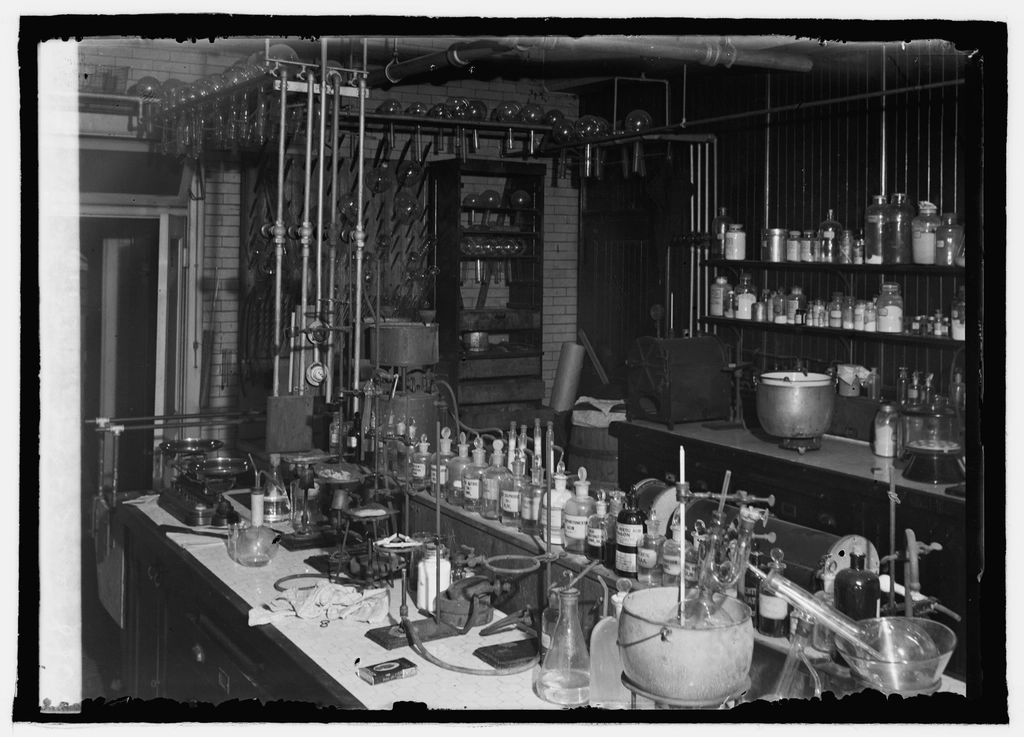
Laboratory fume hood during face velocity testing

Hood performance changes quietly

User safety

Adequate face velocity keeps chemical vapours inside the hood and away from the operator.

Safety audits

Laboratory safety and quality audits expect periodic, documented fume hood performance checks.

Maintenance insight

Falling velocities point to exhaust fan, duct or balancing problems before they become incidents.

Fume hood performance checks

  • Face velocity at a grid across the sash opening
  • Average and minimum velocity
  • Airflow visualization (smoke test)
  • Low-flow alarm function
  • Sash position and working height
  • Visual check of baffles and airflow path
  • Observations and recommendations
  • Documented test report per hood

Where we test fume hoods

  • Chemistry labs
  • QC laboratories
  • Pharmaceutical R&D
  • Colleges
  • Research institutes
  • Industrial labs
  • Hospital labs
  • Testing labs

How the work is carried out

01

Hood inventory

We list the hoods, their locations and operating sash heights.

02

Face velocity

Velocity is measured at a grid of points with a calibrated anemometer.

03

Visualization

Smoke visualization shows how air enters and moves inside the hood.

04

Report

Each hood gets a documented result with pass/fail against your criteria.

One accountable team, documented results

NABL-Accredited

Calibration and testing carried out under NABL accreditation and ISO/IEC 17025:2017-compliant procedures.

On-Site & Laboratory Capability

Work carried out at your facility or in our laboratory, by one accountable team.

Serving Since 2022

Serving hospitals, laboratories, pharmaceutical and industrial clients across Tamil Nadu since 2022.

Frequently asked questions

Face velocity is the speed at which air enters the fume hood through the sash opening. It is measured at several points and averaged to judge whether the hood is capturing fumes effectively.
Annual testing is common, with additional checks after maintenance, changes to the exhaust system or if users notice odours.
No. A fume hood protects the user from chemical fumes and exhausts them away. A biosafety cabinet uses HEPA filtration to contain biological material and protect the user, product and environment.
We record the result and share observations, such as blocked baffles or low exhaust, so your maintenance team can correct the cause before re-testing.

Book fume hood testing

Tell us how many hoods you have and where, and we will plan testing around your lab schedule.