Cleanroom & Calibration
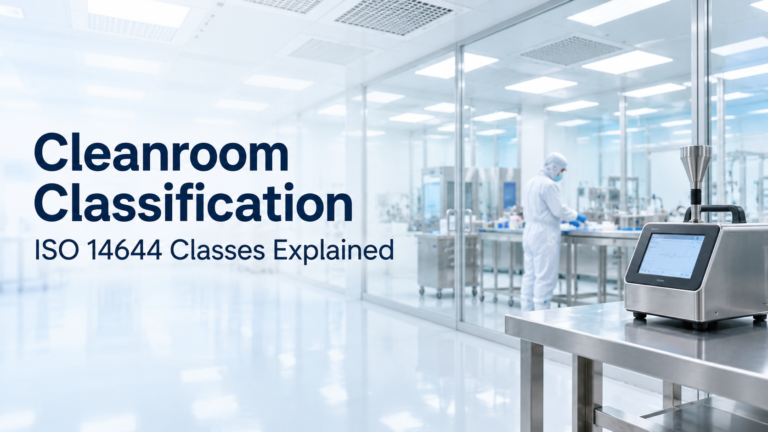
Cleanroom Classification: ISO 14644 Classes Explained
Cleanroom classification is the grading system that says how clean a controlled room actually has to be, based on the number of…
Read MorePractical guides on clean room testing, cleanroom validation, HEPA filter integrity and equipment calibration — written by the Vanavil Calibrations team.
Cleanroom classification is the grading system that says how clean a controlled room actually has to be, based on the number of…
Read More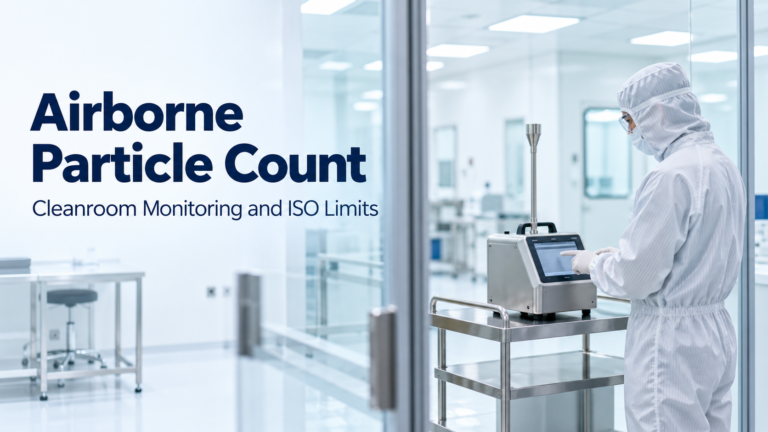
Airborne particle count monitoring is the ongoing tracking of how many particles are floating in a cleanroom’s air, so the room stays…
Read More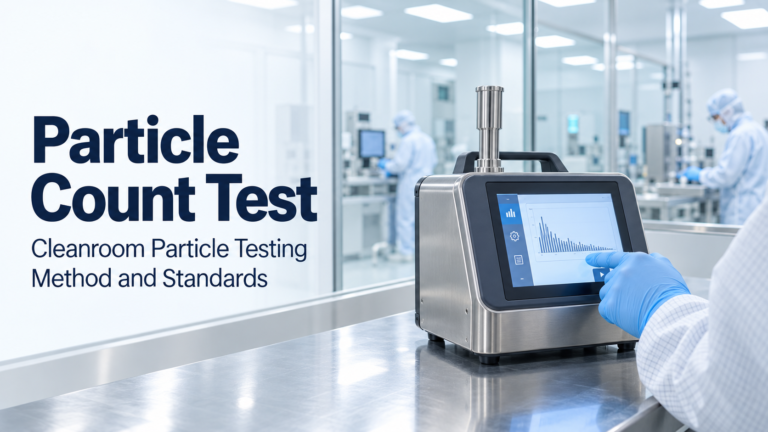
A particle count test measures the number and size of airborne particles in a cleanroom and compares them with the room’s ISO…
Read More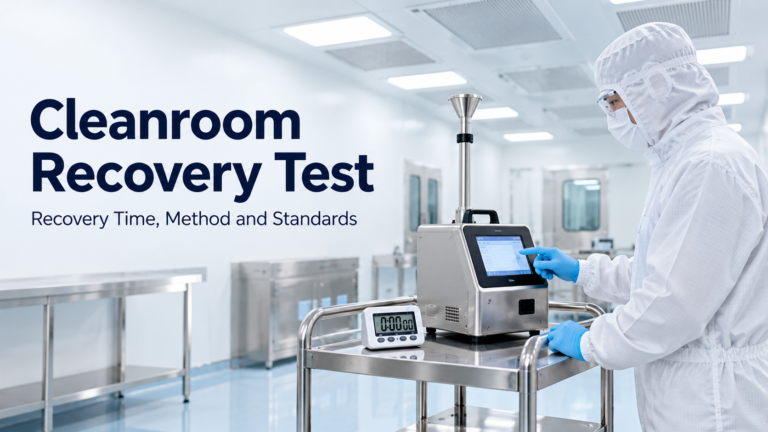
A cleanroom recovery test measures how quickly a room can clean itself — how fast it clears airborne particles and returns to…
Read More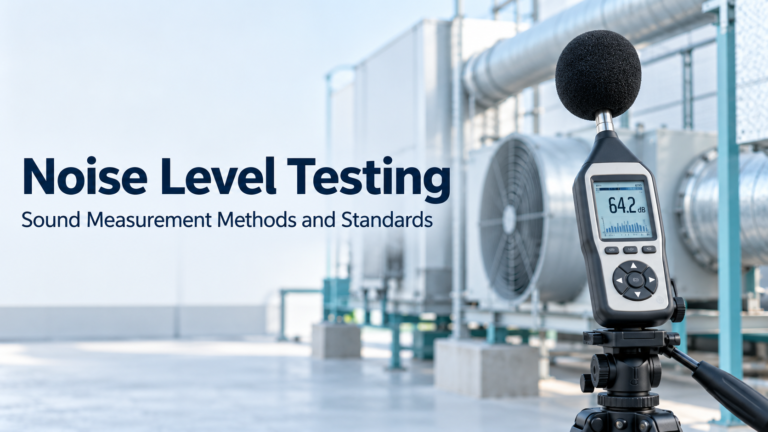
Noise level testing measures how loud a workplace, plant room or laboratory really is, so that people’s hearing is protected and the…
Read More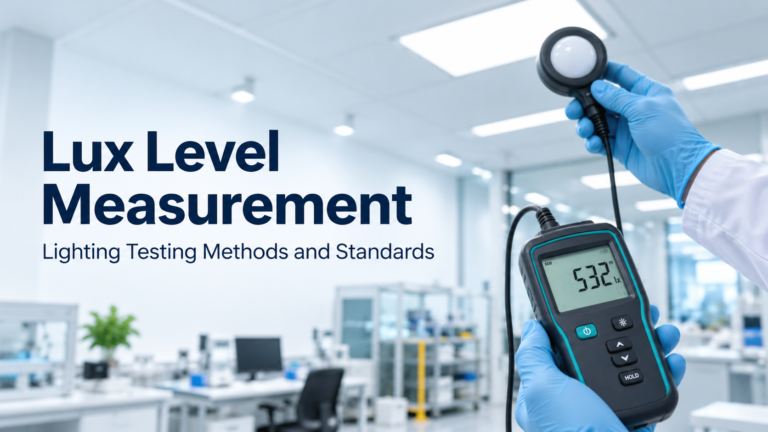
Lux level measurement checks how much light actually reaches a work surface, so that people can see clearly, work accurately and stay…
Read More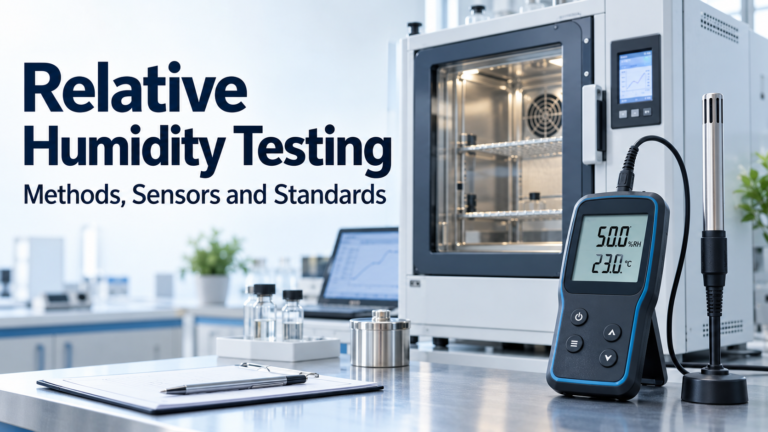
Relative humidity testing measures how much moisture is in the air of a cleanroom, chamber or storage area, and confirms it stays…
Read More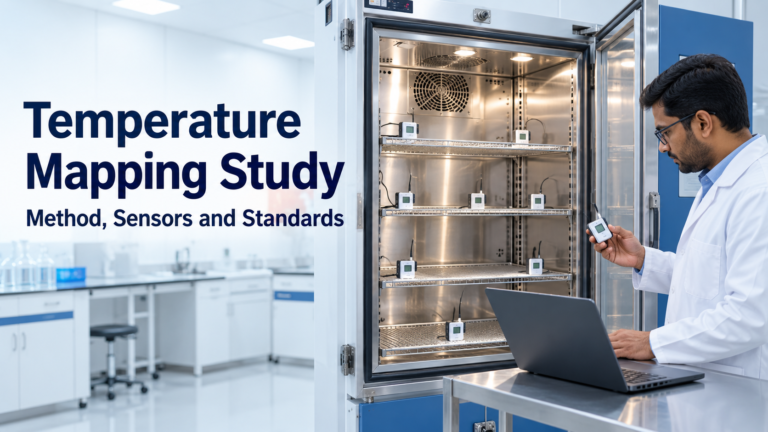
Temperature mapping is the study that proves temperature and humidity are uniform and within specification everywhere inside a controlled space, not just…
Read More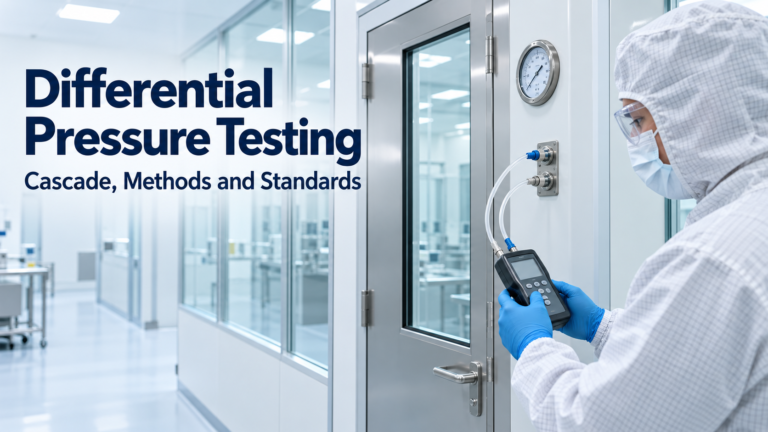
Differential pressure testing confirms that each cleanroom is held at the correct pressure relative to the areas around it. This pressure cascade…
Read More