Multiparameter Monitor Calibration: SpO2, NIBP, ECG and Temperature
A multiparameter monitor — often called a multi para monitor — brings several vital signs onto one screen. That convenience comes with a responsibility: every channel needs to be accurate, not just the one staff look at most. Multiparameter monitor calibration tests each parameter separately so a weak channel is not hidden behind good ones.
This article walks through each parameter in turn and shows how to plan calibration across a hospital’s monitor fleet.
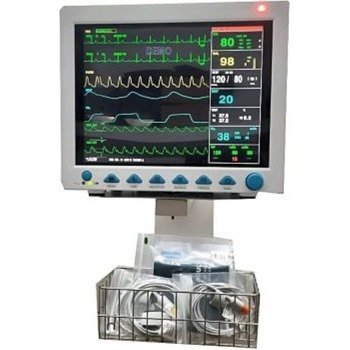
Table of contents
- Why monitor fleets need structured calibration
- ECG and heart rate
- SpO2 and pulse rate
- NIBP
- Temperature, respiration and IBP
- Planning across wards
- A worked example: a ward-by-ward monitor programme
- Common problems found in multiparameter monitors
- Modular versus fixed monitors
- Preparing for audits
- Preparing monitors for the calibration visit
- Between calibrations
- Using calibration data for replacement planning
- Frequently asked questions
Why monitor fleets need structured calibration
Most hospitals own monitors from several manufacturers, bought at different times and used in different settings. Some channels, like SpO2, are used constantly; others, like invasive pressure, only in theatres and ICU. A structured calibration covers every fitted parameter on every monitor, on a schedule, with documented results.
ECG and heart rate
Using a patient simulator, the engineer applies known ECG signals and checks heart rate accuracy at several rates, amplitude, lead selection and alarm limits. Asystole and high-rate alarms are triggered to confirm they sound and display correctly. For standalone 12-lead machines, see ECG machine calibration.
SpO2 and pulse rate
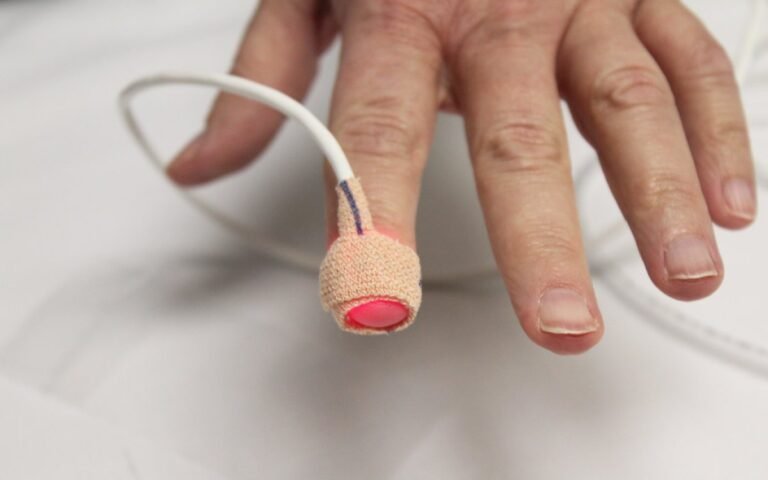
An SpO2 simulator presents known saturation and pulse rate values to the monitor’s oximetry module. Readings are compared at several saturation levels, and low-saturation alarms are checked. Sensors and extension cables are inspected, because worn sensors are a common cause of poor readings. Our dedicated article on SpO2 calibration covers this in depth.
NIBP
Non-invasive blood pressure is checked in three ways: a static pressure test compares the monitor’s pressure transducer with a reference manometer; a leak test checks the pneumatic system; and simulated readings from an NIBP simulator confirm the systolic, diastolic and mean values. Overpressure protection is also verified.
Temperature, respiration and IBP
- Temperature — simulated resistance values or a reference probe confirm accuracy across the clinical range.
- Respiration — simulated impedance respiration checks the displayed rate and apnoea alarm.
- IBP — invasive pressure channels are tested with known pressure signals, including zeroing.
Planning across wards
- Build a register listing each monitor, its fitted parameters and location.
- Group monitors by ward and schedule one area at a time.
- Keep one or two spare monitors to swap in during testing.
- Record results per parameter, not just an overall pass.
- Review failures yearly to identify models or accessories that cause repeated problems.
A worked example: a ward-by-ward monitor programme
Imagine a hospital with monitors in ICU, high-dependency, emergency, recovery and several wards. Rather than calibrating them all in one busy week, the biomedical team spreads the work across the year. ICU monitors are calibrated first, one bay at a time, with spare monitors swapped in. Emergency and recovery follow in quieter weeks. Ward monitors, which are often simpler units with fewer parameters, are collected in batches, calibrated in the biomedical workshop and returned the same day.
For each monitor, the engineer tests every fitted parameter and records the results separately. At the end of each block, the team reviews failures. If several monitors of the same model fail the same parameter, that points to a model-specific issue worth raising with the supplier. If failures cluster in one ward, accessories or handling practices there may need attention.
Common problems found in multiparameter monitors
- Accessory faults — SpO2 sensors, NIBP hoses and ECG cables are the most frequent causes of poor readings.
- Modules not seated correctly in modular monitors, causing intermittent channels.
- IBP channels rarely used and found faulty only at calibration.
- Alarm settings changed from unit defaults and not restored.
- Battery failure in monitors used for patient transfers.
Modular versus fixed monitors
Modular monitors accept plug-in parameter modules that can move between monitors. This flexibility makes tracking more complex: a module may be calibrated in one monitor and later used in another. Register modules with their own asset numbers where possible, and record which modules were tested with which monitor. Fixed monitors are simpler because all parameters stay with the device, but every parameter still needs testing.
Preparing for audits
Auditors often sample a few monitors at random and ask for their certificates. Make sure each monitor’s label, register entry and certificate agree. Keep a summary showing the number of monitors calibrated, the number that failed and the corrective actions taken. This shows the programme is controlled and that failures lead to action.
Preparing monitors for the calibration visit
Monitor calibration runs smoothly when preparation is done in advance. Share the monitor register with the provider, including which parameters each unit has, so the right simulators and adapters are brought. Ask each area to send monitors with their full set of accessories, because testing without the usual sensors and cuffs misses the most common faults. Arrange spare monitors for clinical areas during testing, and agree on a time window when each bay or ward can release its units.
Charge monitors that run on battery, clear stored trend data if hospital policy requires it, and note any monitor with a reported fault. After testing, update the register, attach labels and share a short summary of results with the nursing leads of each area.
Between calibrations
Encourage staff to report accessory damage early and keep spares on each unit. A quick weekly visual check of cables and sensors by nursing staff, combined with annual calibration, keeps monitors reliable throughout the year.
Using calibration data for replacement planning
Monitors do not last forever. Calibration records show which units need frequent repairs, which parameters fail repeatedly and which models are reaching the end of manufacturer support. Reviewing this information each year helps the biomedical team build a realistic replacement plan and budget, rather than replacing monitors only when they fail during patient care. Share the summary with purchasing and clinical leads so new monitors are chosen with reliability and service history in mind.

Frequently asked questions
Is a multi para monitor the same as a patient monitor?
Yes. “Multi para” is common shorthand for multiparameter patient monitors that measure several vital signs.
Do all parameters need to be tested every time?
Yes. Each fitted parameter should be tested and recorded, so one faulty channel is not missed.
How long does one monitor take?
It depends on the number of parameters fitted. We plan the visit with your biomedical team so wards keep enough monitors in service.
What about central monitoring stations?
Accuracy is tested at the bedside monitor. The central station is checked for correct display and alarm transfer from each bed.
Should parameter modules have their own asset numbers?
Where modules move between monitors, giving them their own asset numbers makes tracking and calibration records much clearer.
What if a rarely used channel fails?
The channel should be disabled or the module withdrawn until repaired. Record the failure so it is not used by mistake.
Conclusion
Multiparameter monitor calibration protects every vital sign on the screen, not just the obvious ones. A parameter-by-parameter approach, a clear register and planned ward rotation make it manageable for any hospital.
External reference: NABL India.
Plan your monitor calibration with Vanavil Calibrations’ medical equipment calibration service. Contact us.