NIBP Calibration: Checking Non-Invasive Blood Pressure Accuracy
Blood pressure is measured more often than almost any other vital sign, and treatment decisions depend on it. Automated non-invasive blood pressure (NIBP) modules in monitors and standalone devices do this thousands of times a day. NIBP calibration confirms that the pressure they measure and the values they report are accurate.
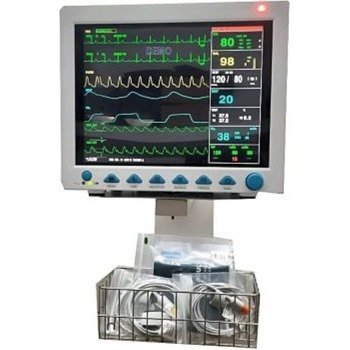
Table of contents
- How automated NIBP works
- The three core tests
- Cuffs, hoses and connectors
- How often to calibrate
- Tips for reliable readings
- A worked example: checking an outpatient BP monitor
- Common problems found in NIBP systems
- Manual and aneroid devices
- Records and follow-up
- Preparing blood pressure devices for calibration
- Between calibrations
- What to ask your calibration provider
- Frequently asked questions
How automated NIBP works
Most automated devices use the oscillometric method. The cuff inflates above systolic pressure and deflates in steps while a pressure transducer senses small oscillations from the artery. An algorithm turns those oscillations into systolic, diastolic and mean values. Two things must be right for a correct result: the transducer must measure pressure accurately, and the pneumatic system must hold and release air as designed.
The three core tests
1. Static pressure accuracy
The device is put into a service or calibration mode and connected to a traceable reference manometer. Pressure is applied at several points, for example across the low, middle and high range, and the device’s reading is compared with the reference. This checks the transducer directly.
2. Leak test
The system is pressurised and held. A slow fall in pressure shows a leak in the cuff, hose, connector or internal valves. Leaks can cause failed or inaccurate measurements.
3. Simulated readings and overpressure
An NIBP simulator produces oscillation patterns that represent known blood pressures. The device’s systolic, diastolic and mean results are compared with the simulated values. The overpressure safety limit is also checked, so the cuff cannot inflate to a dangerous pressure.
Cuffs, hoses and connectors
Many NIBP problems are not in the monitor at all. Cracked hoses, worn connectors and cuffs of the wrong size are frequent causes of errors. Inspect them at every calibration visit and replace damaged items. Using the correct cuff size for the patient’s arm matters as much as a well-calibrated monitor.
How often to calibrate
NIBP modules and standalone blood pressure monitors are usually calibrated at least once a year and after repair. Devices in heavy use, such as in outpatient and emergency areas, may need more frequent checks. NIBP is often tested alongside other channels during multiparameter monitor calibration.
Tips for reliable readings
- Keep a range of cuff sizes on every ward and use the right one.
- Check hoses for kinks and cracks during routine cleaning.
- Include digital BP monitors in clinics and wards in your register.
- Report repeated “measurement failed” messages to the biomedical team.
A worked example: checking an outpatient BP monitor
An outpatient clinic uses an automated blood pressure monitor for every patient who visits. Over the year, it performs thousands of measurements. During calibration, the engineer first inspects the cuff, hose and connectors, then puts the monitor into its calibration or service mode. A reference manometer is connected through a T-piece, and the engineer applies pressure at several points across the range, recording the monitor’s reading against the reference each time.
Next, the system is pressurised and held to check for leaks. A slow pressure drop points to a damaged hose or cuff. The engineer then connects an NIBP simulator, which produces oscillation patterns representing known blood pressures, and compares the monitor’s systolic, diastolic and mean readings. Finally, the overpressure safety limit is checked. The results are recorded on a certificate and the monitor is labelled with its next due date.
Common problems found in NIBP systems
- Leaking cuffs and hoses, especially at connectors that are frequently plugged and unplugged.
- Wrong cuff sizes in use, leading to over- or under-reading.
- Pressure transducer drift in older monitors.
- Valve faults causing slow or irregular deflation.
- Aneroid sphygmomanometers with zero error or damaged bulbs and valves.
Manual and aneroid devices
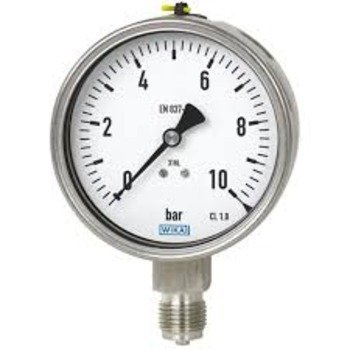
Many wards and clinics still use aneroid sphygmomanometers alongside automated monitors. These need calibration too. The gauge is compared with a reference manometer at several pressures, the needle is checked for zero error at rest, and the bulb, valve and tubing are checked for leaks. Aneroid gauges that have been dropped are particularly prone to error and should be checked before further use.
Records and follow-up
Record each device’s asset number, the pressures tested and readings obtained, leak test results and any parts replaced. Keep a separate note of cuff sizes available on each ward. Reviewing results across the hospital helps you see whether particular models or areas have repeated problems and whether cuff stock needs attention.
Preparing blood pressure devices for calibration
Collect every automated blood pressure monitor, multiparameter monitor with NIBP, and aneroid sphygmomanometer on the register. Ask areas to send each device with its usual cuffs and hoses, and to tag any device that gives frequent errors or unexpected readings. Charge battery-powered monitors and replace visibly damaged cuffs before the visit so testing focuses on the devices themselves.
Plan the order so clinics and wards always have at least one working device available. After calibration, check that every device has a label showing its next due date and that failed devices are clearly marked and kept apart until repair.
Between calibrations
Simple habits keep NIBP accurate day to day: choose the right cuff size, position the cuff at heart level, keep hoses free of kinks and report repeated measurement failures. A short reminder poster near each monitor helps new staff follow these steps consistently.
What to ask your calibration provider
Before booking NIBP calibration, ask which reference manometer and NIBP simulator will be used and whether both carry current, traceable calibration. Confirm that the certificate will list the pressures applied, the readings obtained, the leak test result and measurement uncertainty. Check that the parameters are within the provider’s NABL scope, and ask whether aneroid gauges can be covered in the same visit.

Frequently asked questions
Is the static pressure test enough?
It confirms the transducer is accurate, which is essential. Simulated readings add a check of the measurement algorithm under realistic conditions, and the leak test checks the pneumatic system.
Can NIBP be calibrated on the ward?
Yes. Reference manometers and NIBP simulators are portable, so testing is usually done on-site.
Do manual sphygmomanometers need checking?
Yes. Aneroid gauges should be compared with a reference and checked for zero error and leaks.
What if the leak test fails?
The leaking component is found and replaced, and the test is repeated before the device returns to use.
Why does cuff size affect blood pressure readings?
A cuff that is too small tends to over-read and one that is too large tends to under-read. Using the correct size for the patient’s arm is essential for accurate results.
Do wrist blood pressure monitors need calibration?
Yes. Any device used for clinical decisions should be registered and checked for pressure accuracy and leaks.
Conclusion
NIBP calibration checks the transducer, the pneumatic system and the measurement result together. With good cuff management and annual testing, hospitals can rely on the blood pressure readings that guide daily care.
External reference: NABL India.
Need NIBP devices checked? Vanavil Calibrations offers on-site medical equipment calibration across Tamil Nadu. Contact us.