Pulse oximeter calibration and SpO2 simulator testing for hospitals
Verify that bedside, handheld and fingertip oximeters read SpO2 and pulse rate correctly, alarm when they should and remain electrically safe, with traceable documentation for audits.
What pulse oximeter calibration involves
An oximeter cannot be adjusted the way a pressure gauge can. In practice, pulse oximeter calibration means verifying performance: an optical or electronic SpO2 simulator generates signals that represent defined saturation levels and pulse rates, and the engineer records what the monitor displays at each point. Any deviation outside the manufacturer tolerance is reported so the device can be serviced or withdrawn.
SpO2 simulator testing is carried out at several points across the clinical range rather than at a single value. Typical test points include high, normal and low saturation, together with low, normal and high pulse rates. Low perfusion and motion settings, where the simulator supports them, show how the oximeter behaves under difficult signal conditions seen in ICUs and recovery areas.
Standalone oximeters and the SpO2 module inside multiparameter monitors are both covered. The same visit can include the rest of the monitor under patient monitor calibration, and is usually planned as part of wider medical equipment calibration for the hospital.
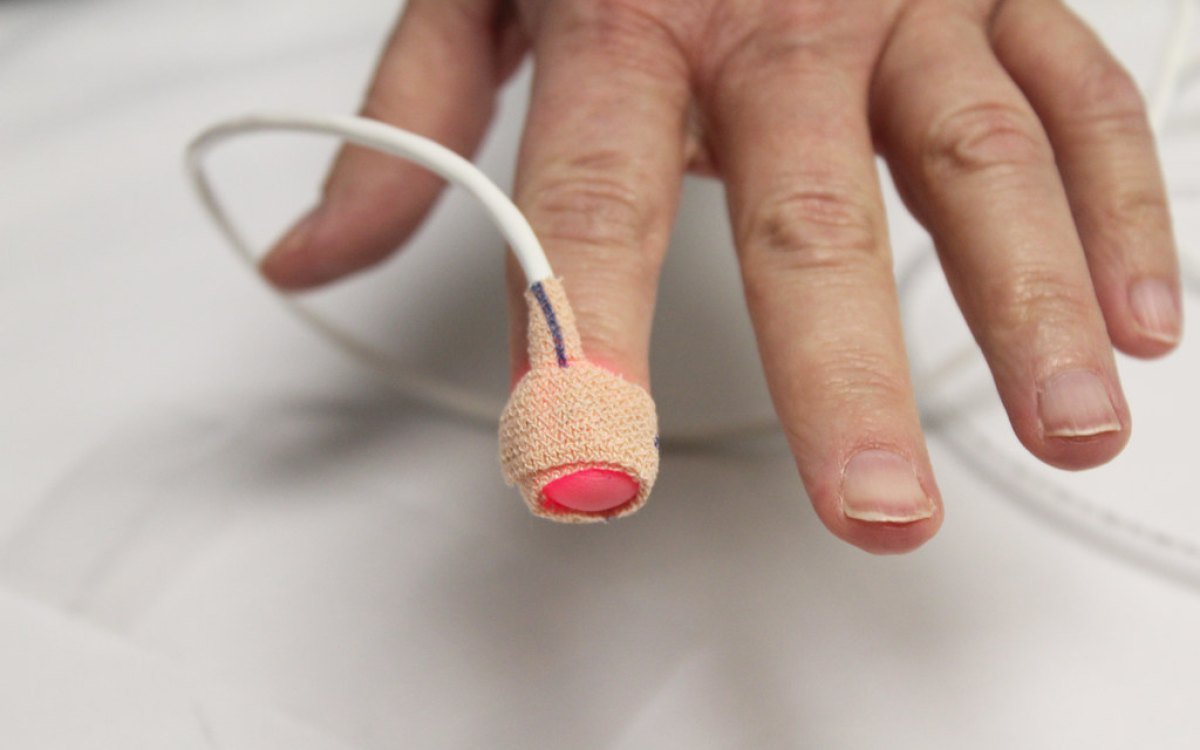
Why regular oximeter accuracy testing matters
Clinical decisions
Oxygen therapy, weaning and escalation often depend on the SpO2 number. Oximeter accuracy testing confirms that number can be relied on.
Hidden faults
Worn probes, damaged cables and ageing sensors can drift or give intermittent readings that are not obvious during routine use.
Audit evidence
NABH and internal quality audits expect documented, traceable performance checks for patient-connected devices, with dates and results on record.
What we check during pulse oximeter calibration
- SpO2 accuracy at multiple saturation points
- Pulse rate accuracy at low, normal and high rates
- Low perfusion response where the simulator supports it
- High and low SpO2 alarm limits and alarm activation
- Pulse rate alarm limits
- Probe, cable and connector condition
- Display, plethysmograph and battery function
- Electrical safety per IEC 62353 for mains-powered units
Departments and devices we cover
- ICU and NICU
- Operation theatres
- Recovery and post-op wards
- Emergency departments
- Dialysis units
- Ambulances
- Handheld oximeters
- Multiparameter monitor SpO2 modules
How SpO2 simulator testing is performed
Before testing, the oximeter is inspected and allowed to stabilise. The probe is fitted to the simulator finger or the simulator is connected through the sensor port, depending on the device design. Readings are recorded as found at each test point before any probe change or service action, so the report shows the true condition of the device as it was being used.
If a probe or cable is replaced, the affected points are repeated and recorded as left. Alarm checks are done by setting the simulator beyond the configured limits and confirming the audible and visual alarm. The reference simulator itself is calibrated with traceability to national or international standards, and its identification and due date are shown on the report.
Most pulse oximeter calibration is done on-site, ward by ward, which avoids moving devices out of clinical areas. Handheld and fingertip units can also be sent to the laboratory. Tests are performed within the laboratory's NABL scope where applicable, so ask for the current scope if accredited reporting is required.
How often pulse oximeter calibration should be done
Annual pulse oximeter calibration is a common practice in hospitals, but the right interval depends on the manufacturer recommendation, usage level and the hospital's own quality policy. Devices used in critical care, transport or high-use wards may justify shorter intervals.
An additional check is sensible after a drop, liquid ingress, probe replacement, repair or any doubt raised by clinical staff. Keeping an equipment list with asset IDs, locations and due dates makes it easier to schedule visits and avoid gaps before audits.
Each device receives a report with as-found and as-left results, test points, reference equipment details, environmental conditions and the engineer's remarks. Pass, fail or service-required status is clearly marked so the biomedical team can act quickly.
Keep each certificate with the equipment record, enter the next due date in your maintenance schedule and show both to auditors when asked. We keep a record of due dates for every client and can send a reminder before the next visit is needed, so nothing slips out of calibration between audits.
How the work is carried out
Share equipment list
Send the make, model, quantity and location of oximeters and monitors to be tested.
Schedule the visit
We plan an on-site visit that suits clinical workload, or arrange laboratory testing for portable units.
Test and record
SpO2, pulse rate, alarms and safety are checked against traceable simulators with as-found and as-left data.
Issue reports
You receive device-wise calibration reports and a summary of any devices needing service.
One accountable team, documented results
NABL-Accredited
Calibration and testing carried out under NABL accreditation and ISO/IEC 17025:2017-compliant procedures.
On-Site & Laboratory Capability
Work carried out at your facility or in our laboratory, by one accountable team.
Serving Since 2022
Serving hospitals, laboratories, pharmaceutical and industrial clients across Tamil Nadu since 2022.
Frequently asked questions
Book pulse oximeter calibration for your hospital
Share your oximeter and monitor list and we will plan an on-site visit with traceable SpO2 simulator testing and clear reports.